Silver: Affordable Elegance
Silver is another popular choice for jewelry, known for its lustrous appearance and affordability
Appearance
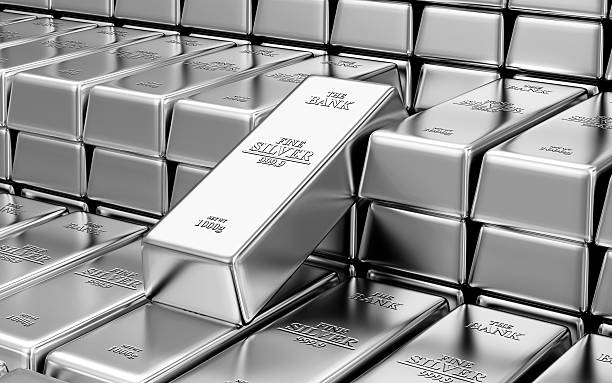
Silver has a distinct metallic gray color with a bright, shiny finish.
Silver Purity Chart
| Common Name | Parts of Silver | Hallmark | Silver% |
| Fine Silver | 999/1000 | 999 | 99.9% |
| Britannia Silver | 958/1000 | 958 | 95.8% |
| Sterling Silver | 925/1000 | 925 | 92.5% |
| Jewelry Silver | 800/1000 | 800 | 80.00% |
Affordability
Silver’s affordability makes it a popular choice for a wide range of consumers, including individual investors and jewelry enthusiasts. Its lower price point allows for greater accessibility and cost efficiency in everyday jewelry, decorative items, and industrial applications. Small-scale investors can diversify their portfolios with precious metals, benefiting from its potential as a hedge against inflation and economic fluctuations.
Tarnishing
Silver and gold are valuable metals, but they differ in their tarnishing reactions to environmental factors. Silver is more chemically reactive and prone to tarnishing over time due to a reaction with sulfur compounds in the air, particularly hydrogen sulfide. Other factors, such as moisture, pollution, certain foods, and skin oils, can accelerate the tarnishing process. Sterling silver, an alloy containing 92.5% silver and 7.5% other metals, tarnishes faster than pure silver due to added metals. Gold, a noble metal, is highly resistant to oxidation and corrosion. Lower-karat gold alloys may cause slight discoloration over time. To maintain silver’s shine, it should be stored properly, kept away from moisture, and cleaned regularly. Despite its tendency to tarnish, silver remains popular for jewelry, tableware, and investment due to its affordability and classic appeal.
Softness
Both silver and gold are soft metals, but their malleability and durability differ based on composition and purity. Gold is highly malleable and ductile, making it suitable for everyday jewelry and coinage. Silver, on the other hand, is slightly harder but too soft for practical applications. Sterling silver, the most common alloy, enhances strength while maintaining silver’s desirable appearance and workability. Silver’s softness makes it more susceptible to fine scratches, requiring regular polishing. Despite being soft, silver’s hardness makes it more practical for industrial applications like electrical components, medical instruments, and silverware. The need for alloying both metals emphasizes the importance of balancing beauty with durability for various applications.
 Luxe Jewels
Leave a comment